 Skip to content
The cost of probate in Texas typically starts around $300 for a simple Small Estate Affidavit and can run $7,000 or more for a standard Independent Administration. In a contested or dependent estate, the bill can easily exceed $20,000.
That's the kind of number that hits a grieving family at the worst possible moment. One day you're dealing with funeral arrangements and bank accounts, and the next you're trying to figure out whether the estate needs a shortcut, a full administration, or a fight in court. The right answer matters because the wrong path can burn through money fast.
Understanding the True Cost of Probate in Texas
A lot of families ask the wrong question first. They want to know the “average” cost of probate in Texas, but there isn't one number that tells the truth.
A better question is this, which probate path does the estate qualify for? A small estate, a straightforward will, a house in the estate, unpaid debt, or family conflict can move the case into a very different cost bracket.
Start with the estate, not the invoice
If the estate is simple, costs can stay relatively modest. Published Texas guides place Small Estate Affidavit cases at about $300 to $2,000, while a standard Independent Administration is often listed at $3,000 to $7,000 total and a Dependent Administration at $8,000 to $20,000+ (Texas probate cost ranges).
That spread tells you what really drives the bill, the procedure, not just the county. Once an estate crosses the small-estate threshold, involves real property, or brings in debts and disputes, the cost climbs quickly.
Practical rule: if you're early in the process, budget for the legal path you actually need, not the cheapest path you hope for.
A family often feels more comfortable after they understand that Texas probate isn't one single process. It's a set of options, and each one comes with a different amount of court involvement, attorney time, and paperwork. That's why a careful review at the beginning saves money later.
How Your Probate Pathway Dictates the Price
The biggest mistake I see is families treating probate like a single product with one price tag. Texas law gives you different tracks, and the track you qualify for determines most of the cost.
Compare the main probate options
A Small Estate Affidavit is the lowest-cost route, but it's only available when the estate's non-exempt assets are $75,000 or less, excluding the homestead. The cost is usually much lower because the paperwork is lighter and the court involvement is reduced. For a plain-English overview of that shortcut, see The Small Estate Affidavit in Texas, which is a simplified path for modest estates with no will.
A Muniment of Title is another lower-cost shortcut. It works when there's a valid will and no unpaid debts other than secured debt. That option can save a family from full administration when the estate fits the rules.
Independent Administration is the workhorse in Texas probate. It commonly lands in the $3,000 to $7,000 range, and it's often the better fit when the estate needs authority to collect assets, pay debts, and transfer property without heavy court supervision (Texas administration cost ranges).
Dependent Administration is the most expensive common route because the court stays involved at every major step. Published Texas guides place it at $8,000 to $20,000+, and contested estates can go much higher (Texas probate cost ranges).
| Texas Probate Pathways and Estimated Costs | Typical Cost Range | Best For |
|---|---|---|
| Small Estate Affidavit | $300 to $2,000 | Modest estates that qualify under the $75,000 threshold |
| Muniment of Title | $1,500 to $4,000 | A valid will with limited debt |
| Independent Administration | $3,000 to $7,000 | Most straightforward probate estates |
| Dependent Administration | $8,000 to $20,000+ | Estates needing closer court supervision |
If you want a plain comparison of the two main court-supervised tracks, this Texas Independent vs Dependent Administration guide is a useful next read.
The point is simple. The estate's legal pathway matters more than the county where you file. Once you know the path, you can budget with a lot more confidence.
For a quick lifestyle break while you're sorting out paperwork and decisions, even something as ordinary as visit their blog for decor tips can give your mind a short reset. Grief and estate administration both drain attention, and small pauses matter.
Breaking Down the Specific Fees and Expenses
A probate bill feels confusing because it mixes court charges with legal work. The court filing is real, but it usually is not the main expense. Attorney time drives the total.
Where the money goes
A useful starting point is the filing fee itself. Travis County lists $360 for an application for appointment of an independent or dependent administrator, which is a real expense but still only one piece of the budget. For a fuller breakdown of probate filing charges, see this probate filing fees breakdown. In most estates, the filing fee sits well below the legal work that follows.
Attorney pricing is what changes the number fast. In major Texas metro markets like Houston, Fort Worth, and Austin, probate attorneys commonly charge $200 to $500 per hour, and routine flat-fee probate work is often quoted at $3,000 to $7,000 for a simple estate (Texas probate attorney fees guide).
Creditor notice adds another cost that families often miss. Texas probate law requires that step, and a North Texas probate guide points to the statutory notice under Texas Estates Code § 308.002 as a required publication expense (creditor notice discussion). In a standard administration, that notice is part of the process, not an optional add-on.
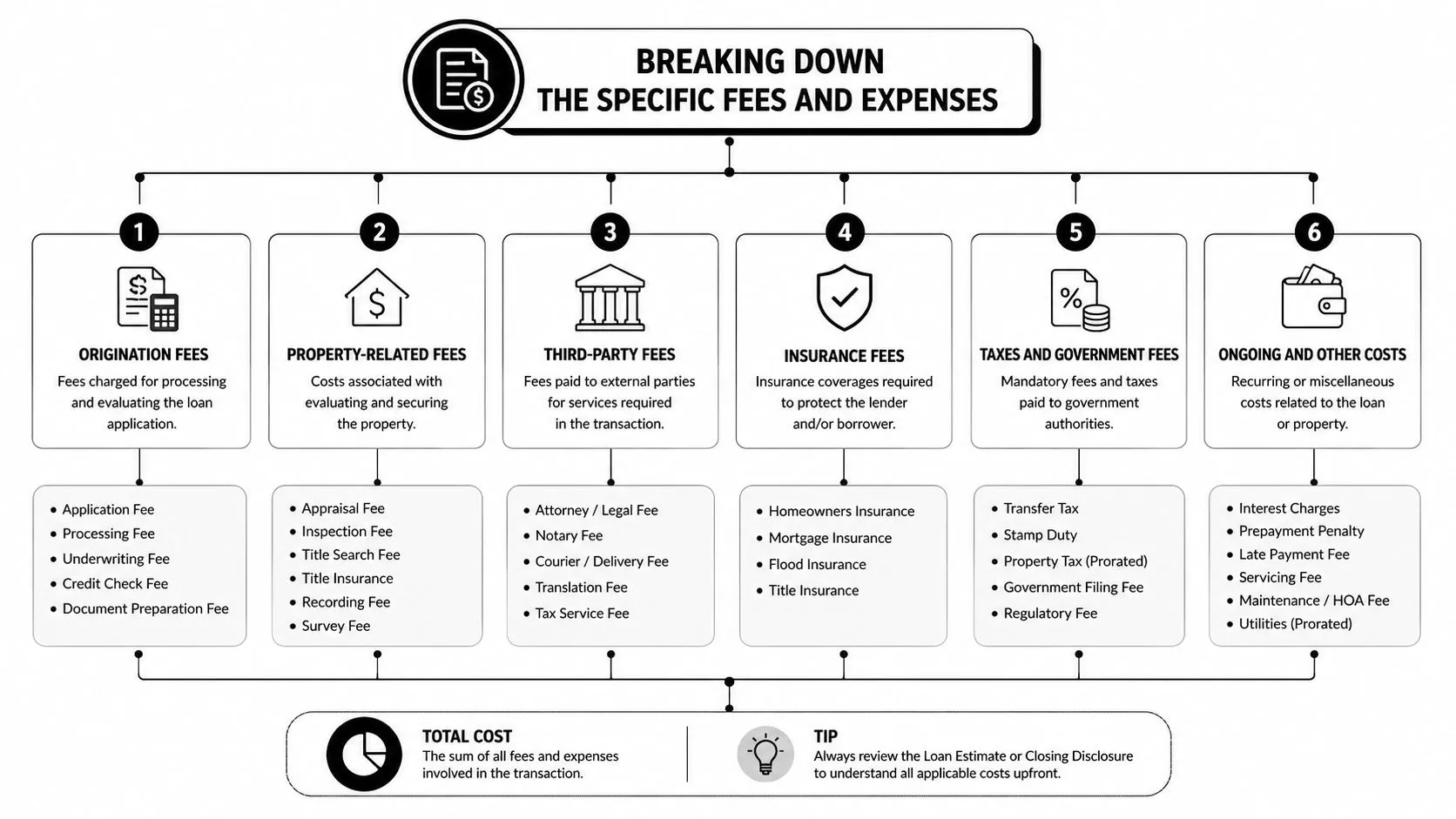
Court filing fees are the visible part of probate. The legal work behind the filing is where most families feel the financial pressure.
Why invoices grow
A clean estate can be handled efficiently. A complicated estate creates more billable work because the lawyer has to prepare filings, respond to the court, handle notices, and coordinate distribution. If there are multiple heirs, missing documents, or property that needs extra steps, the invoice grows with the labor.
Flat-fee pricing gives families more certainty when the case is straightforward. Hourly billing makes more sense when the estate may need extra filings or back-and-forth with the court. Ask that question early, before you sign a retainer, so you know whether the matter is likely to stay predictable or turn into an open-ended bill. The Law Office of Bryan Fagan, PLLC handles Texas probate and estate administration matters with that kind of process-focused approach.
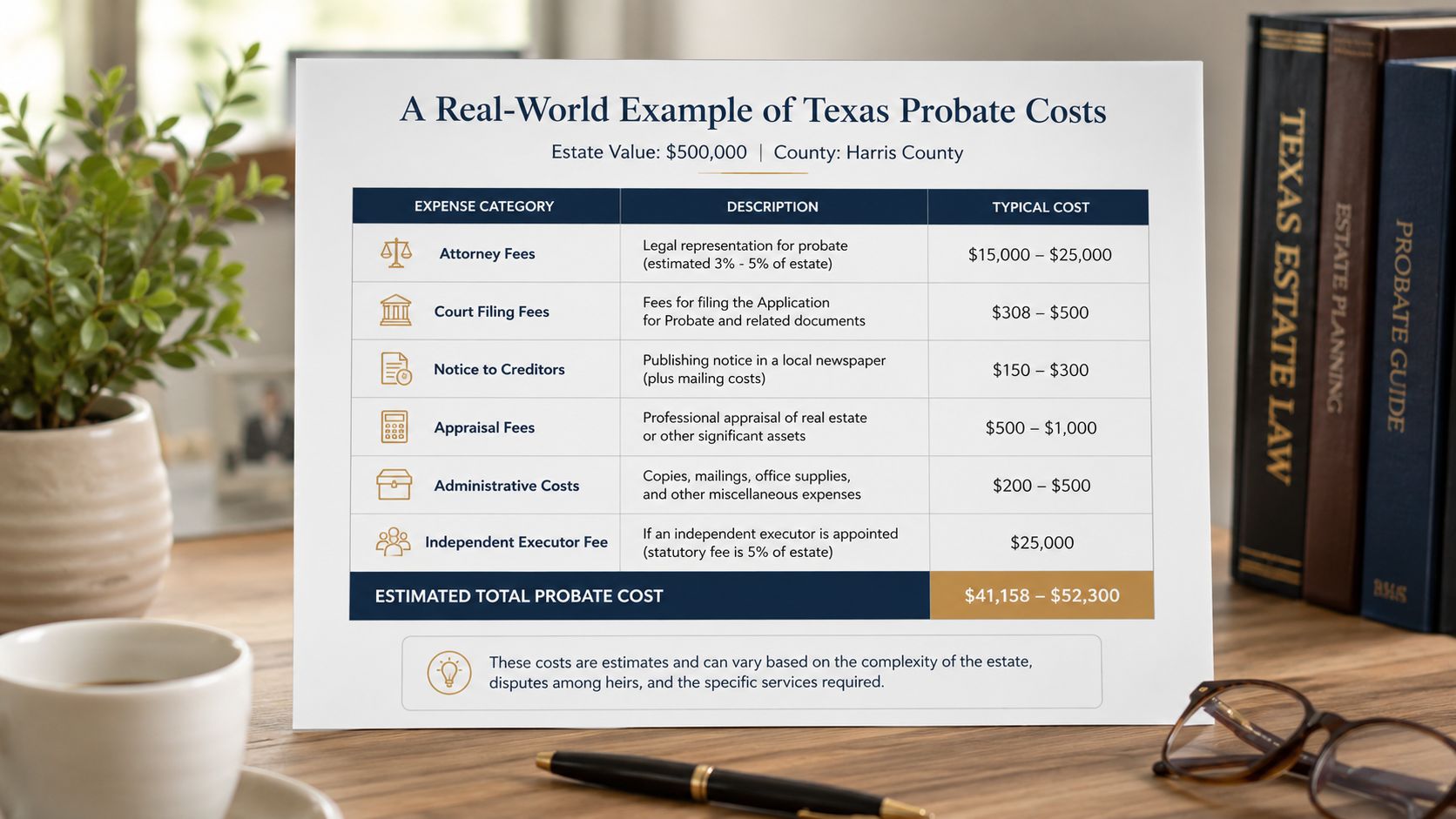
A Real-World Example of Texas Probate Costs
A family dealing with a modest estate often learns the same lesson the hard way, probate costs are driven by the pathway the estate must take. A house, a bank account, and a vehicle may sound straightforward, but the procedure still depends on whether the family needs a Small Estate Affidavit, a Muniment of Title, Independent Administration, or Dependent Administration.
Take a basic estate I'll call the Miller Estate. It includes a home, a bank account, and a vehicle, and the family wants a standard Independent Administration because they need authority to gather assets, pay debts, and transfer title.
How the numbers stack up
The process starts with the filing. In many counties, that filing fee is due up front or very early in the case, and families should expect the court cost to be one of the first checks written. The family also hires an attorney, and even a modest retainer can begin the legal side of the case.
Next comes creditor notice. That publication charge is a real part of the budget in routine matters, and it exists because the executor has to notify creditors before closing the estate. Then the lawyer prepares the court papers to get the personal representative appointed, collects the letters needed to act for the estate, and later handles the paperwork for final distribution.
By the time the estate is ready to close, there is usually more than one round of attorney work. Someone has to review debt claims, confirm what assets are being transferred, and make sure the distribution papers match the court's order and the will, if there is one.
A simple estate can still cost several thousand dollars to administer properly because each step takes time and carries legal consequences. That is why families get into trouble when they assume “simple” means cheap. Texas probate is often more efficient than many states, but it still has a real price.
If you are trying to compare probate against your longer-term planning options, the broader Texas Probate Process page can help you understand what the estate work looks like from start to finish.
Red Flags That Cause Costs to Spiral
A probate case stays affordable only when the facts are clean and everyone can move in the same direction. Once the file has a dispute, missing information, or repeated mistakes, the estate starts paying for extra attorney time, extra court work, and extra delay.
The problems that push a case into the expensive range
A contested will is the fastest way to drive costs upward. Once heirs start disputing validity, intent, or distribution, the estate can move into the higher-end ranges described in Texas probate cost guides, including contested matters that can reach $15,000 to $50,000+. Families do not pay that because the will is confusing. They pay it because the fight forces the lawyer and the court to spend far more time on the case.
Missing heirs create another problem. When the court has to determine who inherits, the case often needs extra pleadings, notices, and hearings. That is not just paperwork. It is billable time, and billable time is what the estate keeps funding.
Dependent administration is also expensive because the court supervises more of the process. Every approval requires more drafting, more review, and more waiting. A family can start with what looks like a routine administration and end up paying for repeated court appearances and revised filings.
If the family cannot agree on who should serve, or if the asset list is incomplete, assume the cost will rise.
DIY filings can also backfire. A rejected filing may seem minor at first, but it often means the lawyer has to correct the original mistake, refile the documents, and respond to the court's objections. That adds cost instead of saving it, and the estate ends up paying twice for the same step.
If the family wants to avoid paying more than necessary in the next estate, a lawyer should look at how to avoid probate in Texas before death, not after the file has turned messy.
The safest move is to spot the warning signs early and choose the right probate path before the case turns into a dispute. Once the family is fighting, the bill usually reflects the fight.
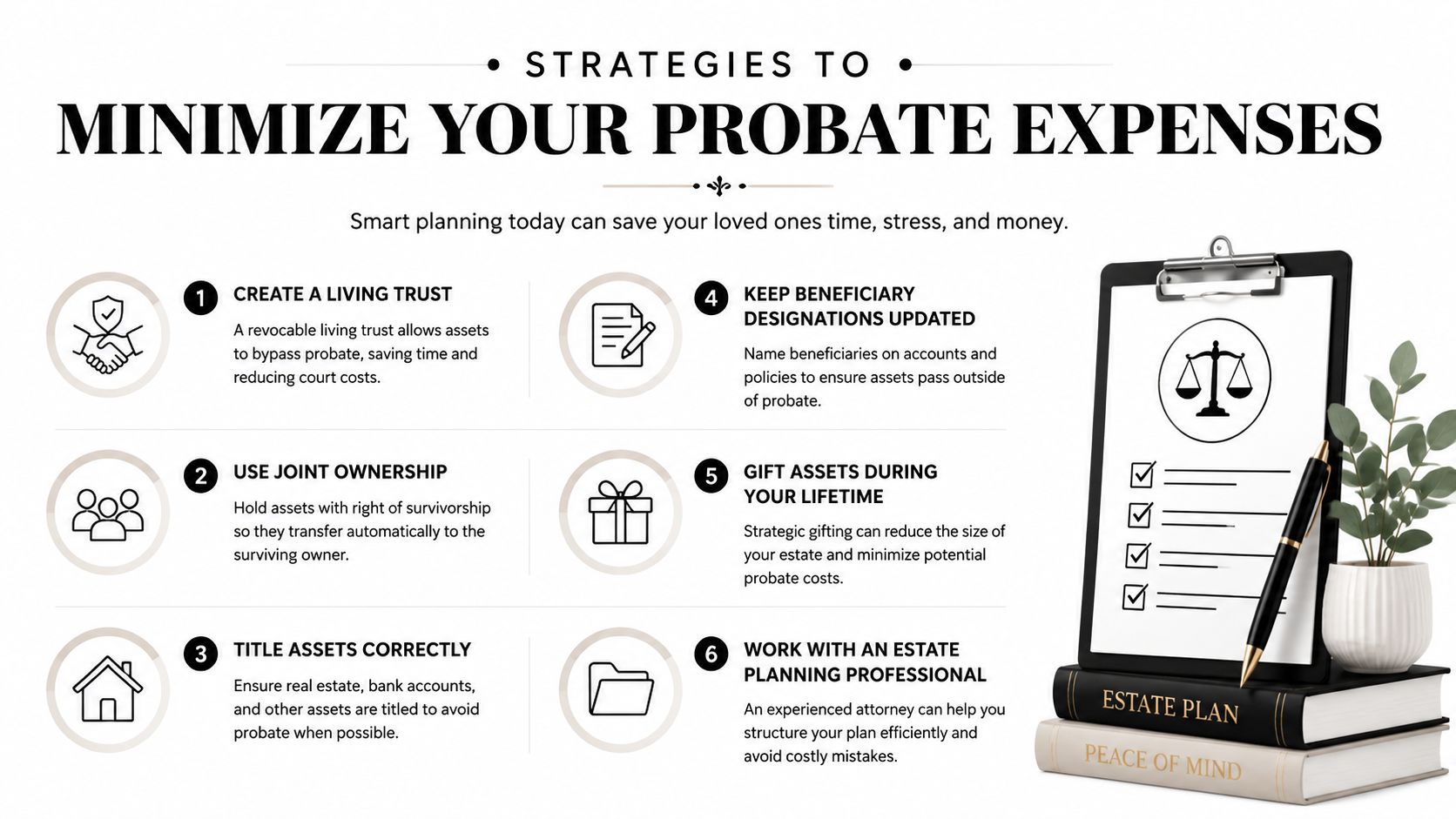
Strategies to Minimize Your Probate Expenses
The cheapest probate is the one you avoid, or at least simplify. That doesn't mean cutting corners. It means using the right legal route and doing the prep work before the attorney starts billing time.
Use the simplest lawful path
If the estate qualifies, a Small Estate Affidavit or Muniment of Title can save a family a lot of money because both are lighter than a full administration. As noted earlier, a Small Estate Affidavit only works when the non-exempt assets stay within the $75,000 threshold, and Muniment of Title depends on having a valid will and limited debt (Texas administration types and costs).
A good attorney should tell you quickly whether the estate qualifies for one of those shortcuts. If it does, use it.
Organize before you call
Gather the will, recent account statements, deeds, loan papers, and a list of known heirs before the first meeting. That saves billable time and helps the lawyer decide whether the estate belongs in independent administration, dependent administration, or a simplified path.
If you want to reduce the chance of probate in the future, review how to avoid probate in Texas. Trusts, beneficiary designations, and clear title work can spare your family from a lot of court expense later.
Ask about fee structure
Flat fees make sense for many uncontested matters. Hourly billing makes more sense when disputes, missing heirs, or unclear title issues are likely. The right fee arrangement depends on the estate, not on a sales pitch.
Here's the practical takeaway, if you're still in the planning stage, a well-drafted will and trust can be worth far more than they cost because they help your family avoid expensive administration later. Probate may be unavoidable for this estate, but it doesn't have to become a financial mess for the next generation.
Key Insights and Next Steps for Your Family
The cost of probate in Texas depends on the path, not on a statewide average. A small estate can stay relatively affordable, a standard independent case usually lands in the low thousands, and a dependent or contested case can climb sharply once the court gets more involved.
What I'd tell a Texas family today
First, don't guess. Confirm whether the estate qualifies for a Small Estate Affidavit, a Muniment of Title, or a full administration. Second, don't let the first lawyer conversation drift without a cost explanation. Ask what the likely filings are, whether the estate needs court supervision, and how the fee will be structured.
Third, if there's any sign of conflict, missing heirs, or unclear property ownership, get legal help early. That's the point where costs begin to grow faster than most families expect.
If you're handling a loved one's estate now, or if you're trying to build a plan that keeps your family out of a costly probate later, the right guidance matters. The right documents, the right administration type, and the right timing can keep a hard situation from becoming a financial burden.
For help with probate, wills, trusts, guardianship, or disputes, use the firm's service pages for Wills & Trusts, Guardianship, and Probate Litigation.
If you're facing probate in Texas, our team can help guide you through every step, from filing to final distribution. Schedule your free consultation today. Visit Law Office of Bryan Fagan, PLLC to get clear guidance on the cost of probate in Texas and the right path for your family.


